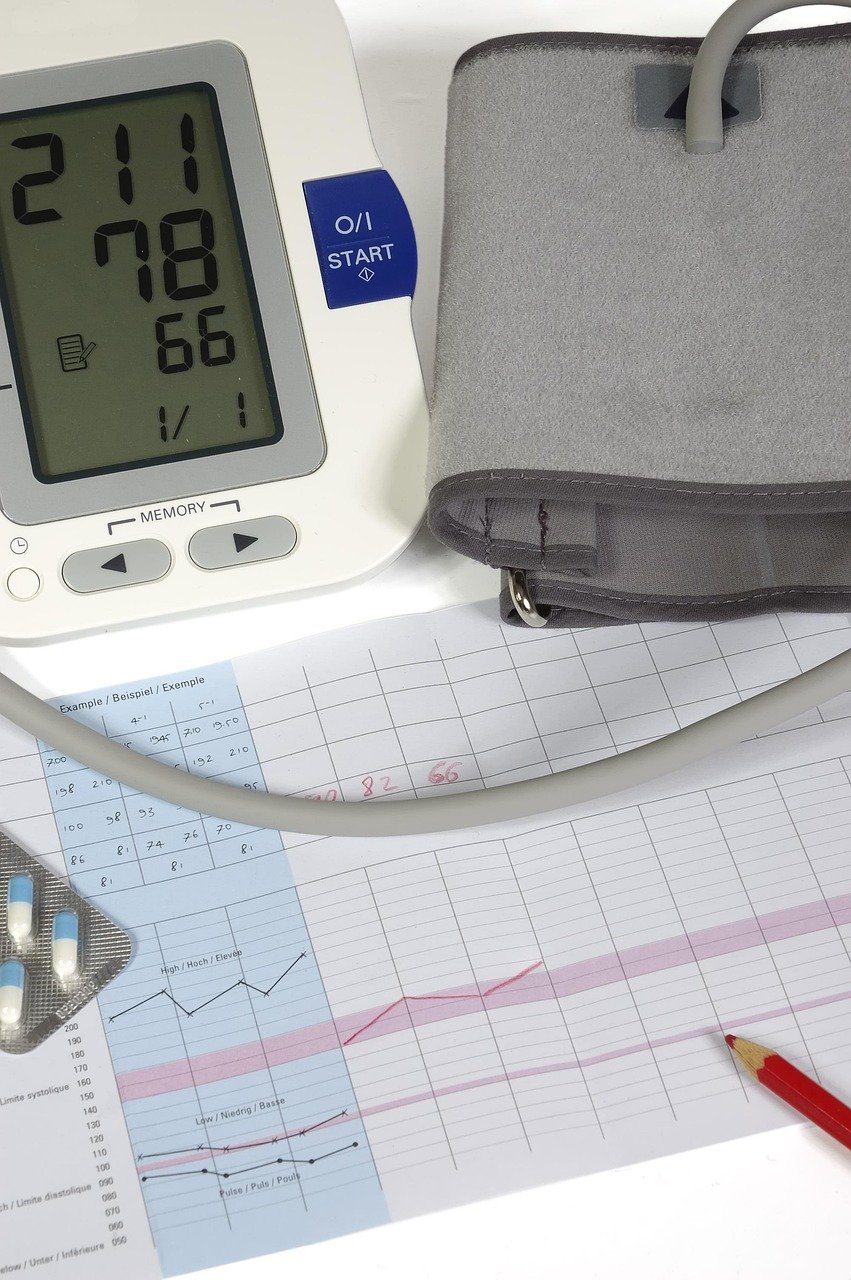
Hypertension, also referred to as high blood pressure, is a long-term medical condition in which the pressure of blood remains consistently elevated against the walls of arteries. Hypertension is a top cardiovascular risk factor, and is often known as the “silent killer” because it will usually not have symptoms until complications develop.
Definition and Classification of Blood Pressure
Blood pressure is measured in millimeters of mercury (mmHg);
blood pressure readings are comprised of two components:
Systolic blood pressure: pressure developed during contraction of the heart- beat
Diastolic blood pressure: pressure between heartbeats
Table 1. Blood pressure categories
Category Systolic (mmHg) Diastolic (mmHg)
Normal <120 <80
Elevated 120–129 <80
Stage 1 Hypertension 130–139 80–89
Stage 2 Hypertension ≥140 ≥90
Causes and Risk Factors
Hypertensive Crisis ≥180 ≥120
Hypertension comes from a combination of genetic, lifestyle and environmental factors.
Primary (essential) hypertension
no specific cause develops gradually over time.
related to age, family history, obesity, lack of physical activity, diet.
Secondary Hypertension
hypertension resulting from an underlying condition:
kidney disease
hormonal disorders (thyroid, adrenal gland)
medications (birth control pills, decongestants, NSAIDS)
sleep apnea
Main Risk Factors
Advanced age (risk dramatically increases after age 40)
Family history of hypertension
Diet high in sodiumExcessive alcohol (more than two standard beverages daily) or tobacco use
StressLack of regular physical activity
Overweight or obesity Chronic health problems (e.g. diabetes, kidney disease)
Indications and Symptoms
Hypertension is often referred to as the “silent killer”, as it frequently has no symptoms, until damage has occurred.When symptoms are present, they may include:
Chronic headaches
LightheadednessVisual impairment
BreathlessnessNosebleedsAngina (in the case of severe hypertension)
The disastrous effects of untreated hypertensionUncontrolled hypertension can cause:• Heart attack and heart failure.• Stroke.• Kidney disease or failure.• Vision loss/hypertensive retinopathy.• Aneurysms.• Cognitive decline, dementia.—🔹
Diagnosis
Hypertension is diagnosed by measuring blood pressure using a sphygmomanometer or automated machinery. For diagnosis, several readings on separate occasions are necessary, but doctors may also order:• Blood tests (to assess kidney function (urea), cholesterol, blood sugar).• Urine tests.• ECG/A echo (to assess heart function).
Management and Treatment
Treatment depends on the severity of hypertension and the presence of other medical conditions. Lifestyle Modifications (First-line treatment)Lower salt intake (less than 5g/day)Eat a balanced diet (fruits, vegetables, whole grains, lean proteins)Maintain a healthy weightBe physically active – aim to exercise for 30 minutes most daysDecrease alcohol consumption and quit smokingManage stress (yoga, meditation, relaxation techniques)
Medications
If lifestyle changes are not sufficient, referred it to a doctor.
Diuretics (e.g. hydrochlorothiazide)
ACE inhibitors (e.g. enalapril, lisinopril)
ARBs (e.g. losartan, valsartan)
Calcium channel blockers (e.g. amlodipine)
Beta-blockers (e.g. ateno-lol, metoprolol)
Prevention tips
Strategies to Prevent Hypertension Monitor your blood pressure regularly Follow a healthy diet and maintain a healthy weight Be physically active Manage stress Do not consume excessive amounts of alcohol or tobacco Seek and follow expert medical advice for treatment of hypertension if prescribed—-
✅ Conclusion
Although hypertension is common, it is also preventable and manageable. Prevention starts with early detection, maintaining healthy habits, and treating hypertension with good medical management. By monitoring blood pressure regularly and being reviewed by an appropriate healthcare provider, an individual is in control of living a healthy life maintaining or without hypertension.